

The Design Phase of a Healthcare Fitout Is Really a Coordination Phase
Once the fitout brief is in place, many teams feel they are moving into the “creative” part of the project. That is partly true. The design phase is where...
Why the Briefing Phase Decides More Than Most Healthcare Fitout Teams Expect
When people describe the phases of a fitout project, the first stage often sounds deceptively simple. Get the brief together. Confirm the rooms. Establish the budget. Move into design....
Why Quiet Materials and Concealed Storage Are Replacing Feature-First Healthcare Fitouts
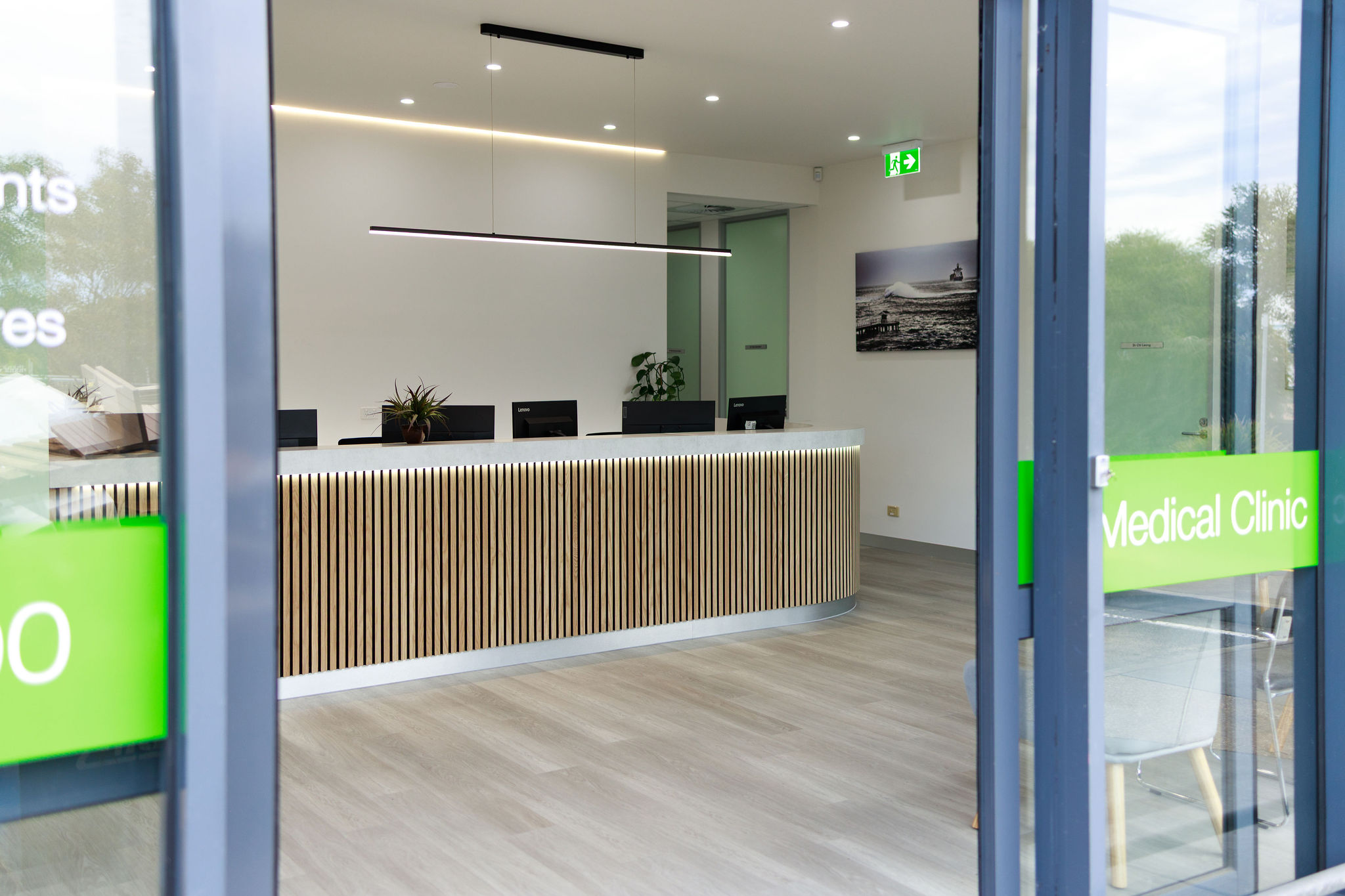
Not every healthcare design trend announces itself loudly. Some of the most meaningful shifts are actually moving away from louder design language: fewer feature-heavy gestures, less visual clutter, more...

The Flexible Room Trend: How Clinics Can Adapt Without Feeling Generic
Flexibility is one of the most repeated words in healthcare design right now. That is not surprising. Clinics are trying to protect themselves against change. Teams expand. Service mixes...
Why Calmer Arrival Sequences Are Becoming One of Healthcare Design’s Most Useful Trends
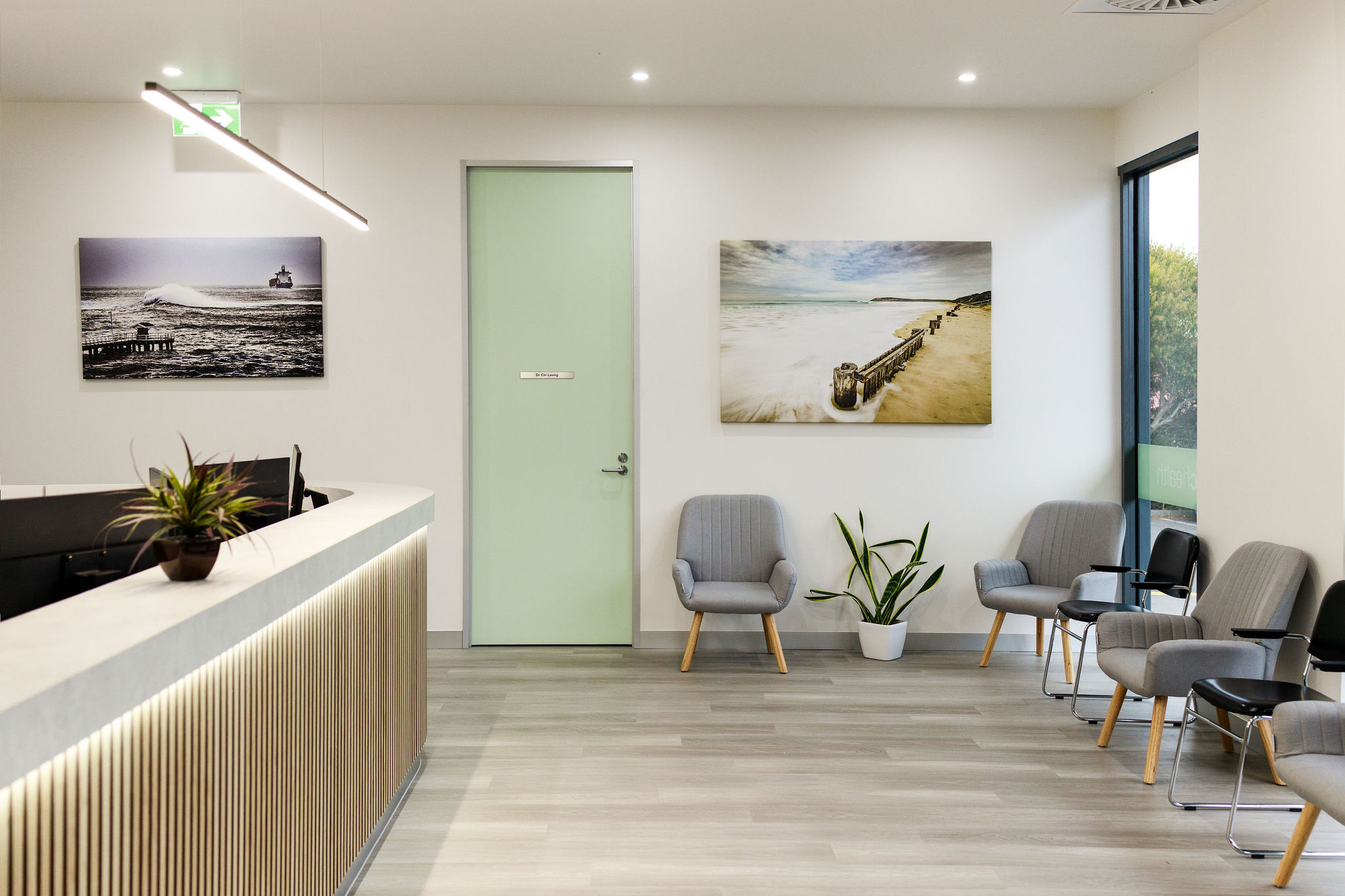
When people talk about healthcare design trends, the conversation often drifts toward the most visible ideas first. New technology. Stronger sustainability language. Softer styling. More hospitality references. Better lighting....
The MRI Coordination List That Helps Faraday Cage Decisions Survive Design Changes
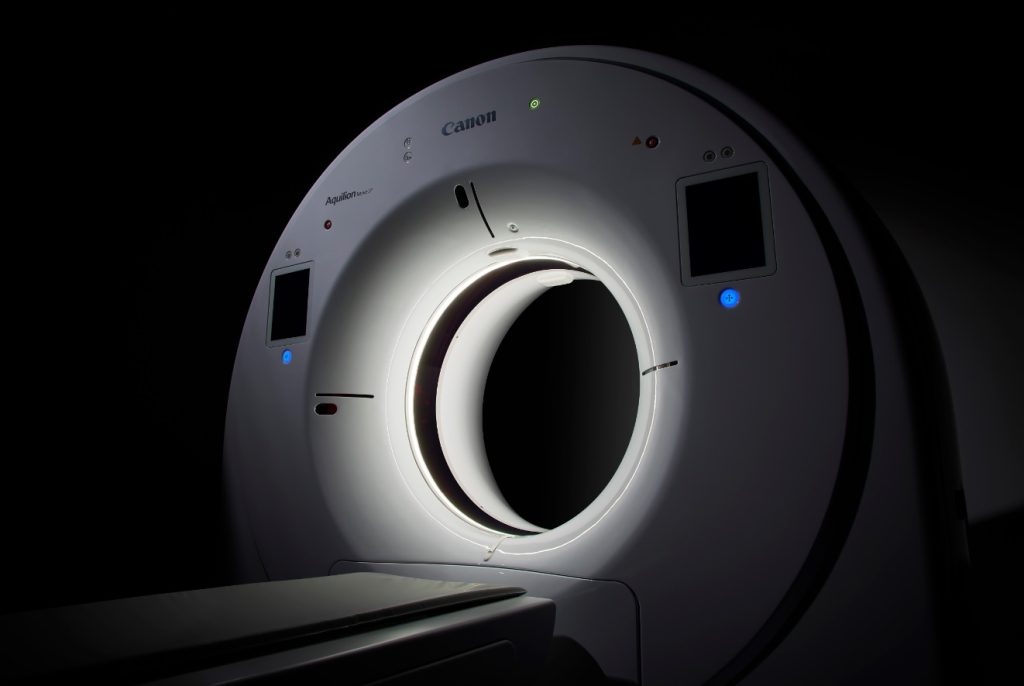
Some MRI projects do not run into difficulty because the early room concept was weak. They run into difficulty because the project slowly drifts. Services routes move. A consultant...
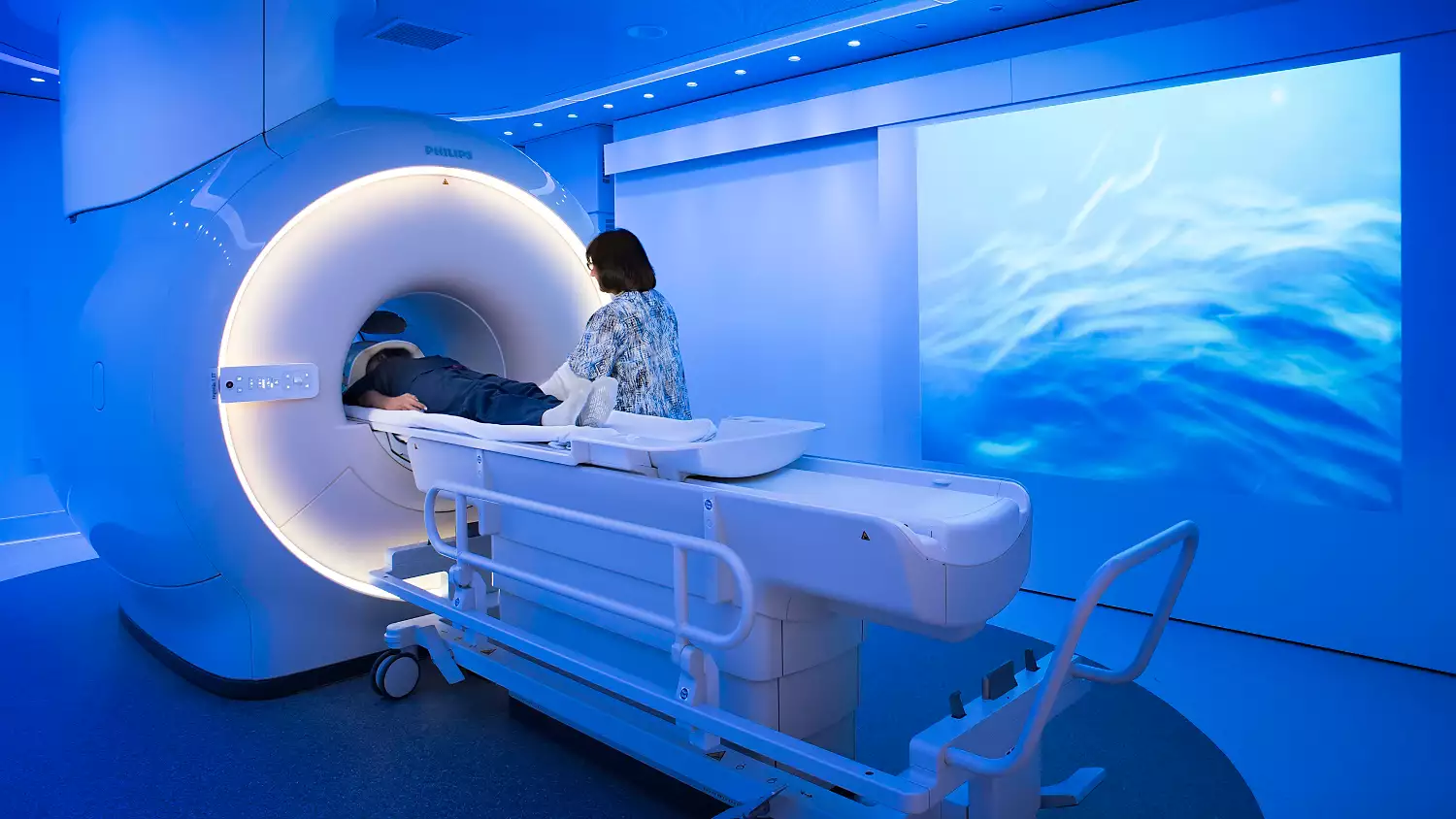
How Faraday Cage Planning Changes the Rooms Around an MRI Suite
MRI planning conversations often narrow quickly onto the scan room itself. That is understandable. The MRI room is the most technically loaded part of the suite, and the Faraday...
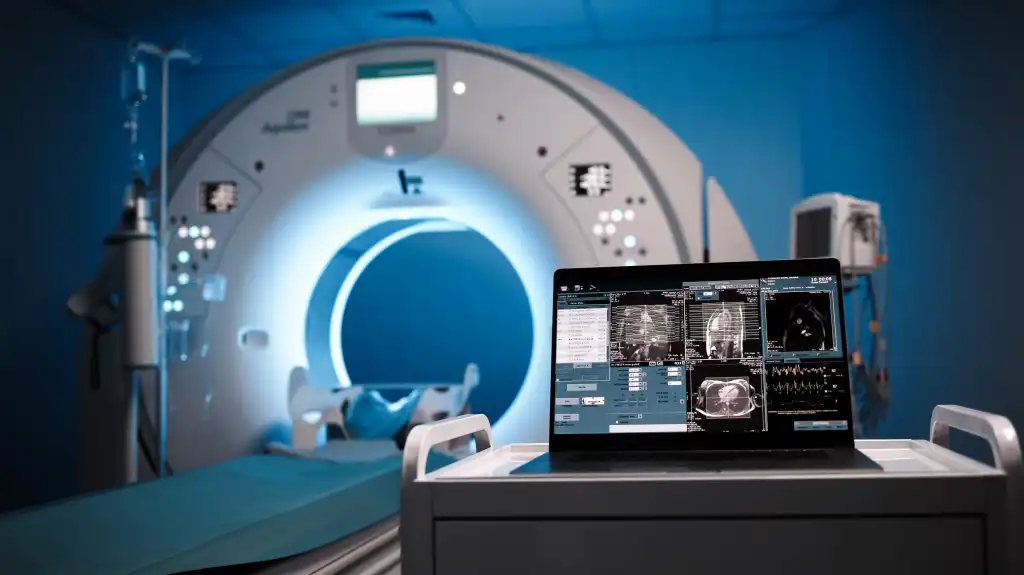
What a Faraday Cage Changes Before an MRI Room Ever Looks Finished
When an MRI room is first discussed, many teams naturally focus on the big visible questions. How much space does the scanner need? Where should the control area sit?...
The Hidden Noise Layer That Can Undermine Privacy in GP Clinics
Some GP clinics get the consult rooms broadly right and still end up feeling noisier, more exposed and less focused than they expected. The reason is often not the...
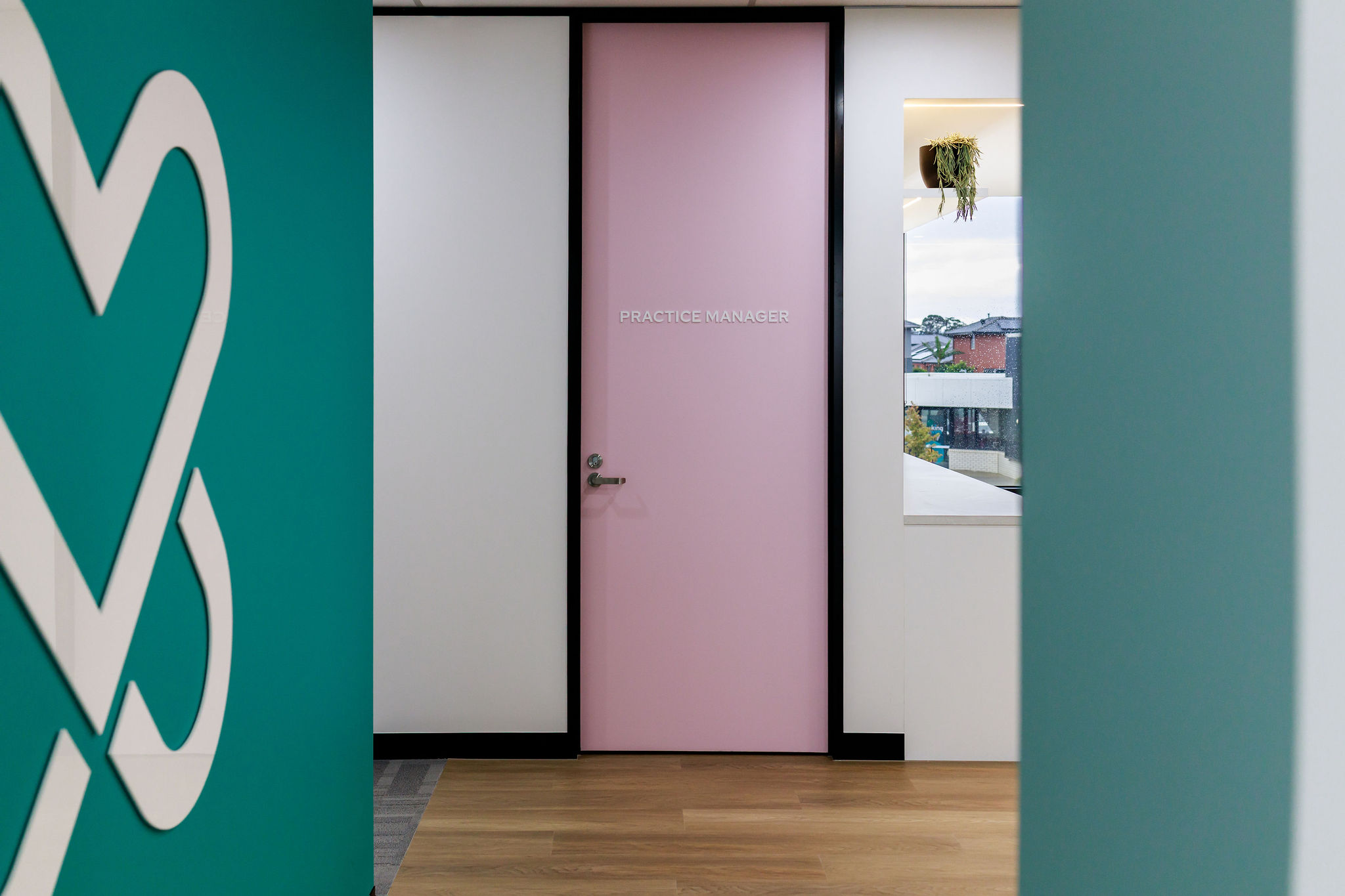
How GP Reception Areas Can Protect Privacy Without Feeling Closed Off
When people think about privacy in a GP clinic, they usually imagine the consult room. But many privacy breaches, or at least many privacy worries, begin much earlier than...